


























 Operational efficiency


Your team has made it all the way to the Champions League final. They have played well for 85 minutes, but the score is 0-0. These last five minutes could define not only a season but a club’s legacy and reputation.
It’s the same with ecommerce delivery.
The final stretch of any delivery is often the most challenging, yet it’s the moment that matters most to customers. This crucial stage, known as last mile delivery, has become a key focus for businesses looking to improve the customer experience, especially as competition intensifies and ecommerce continues to grow rapidly.
But what exactly is last mile delivery, and why is it so significant for ecommerce brands? In this blog, we’ll explore what last mile delivery entails, the challenges involved, and how businesses can optimise this critical phase of the shipping process.
Last mile delivery is the final stage of a product’s journey from the distribution hub to the customer’s doorstep. In most cases, it’s the shortest distance travelled during the entire delivery process but tends to involve the most complexity. This is because it often involves navigating residential areas, dealing with traffic congestion, navigating parking, and meeting the high expectations of today’s consumers who demand speed and convenience. It’s a lot to juggle!
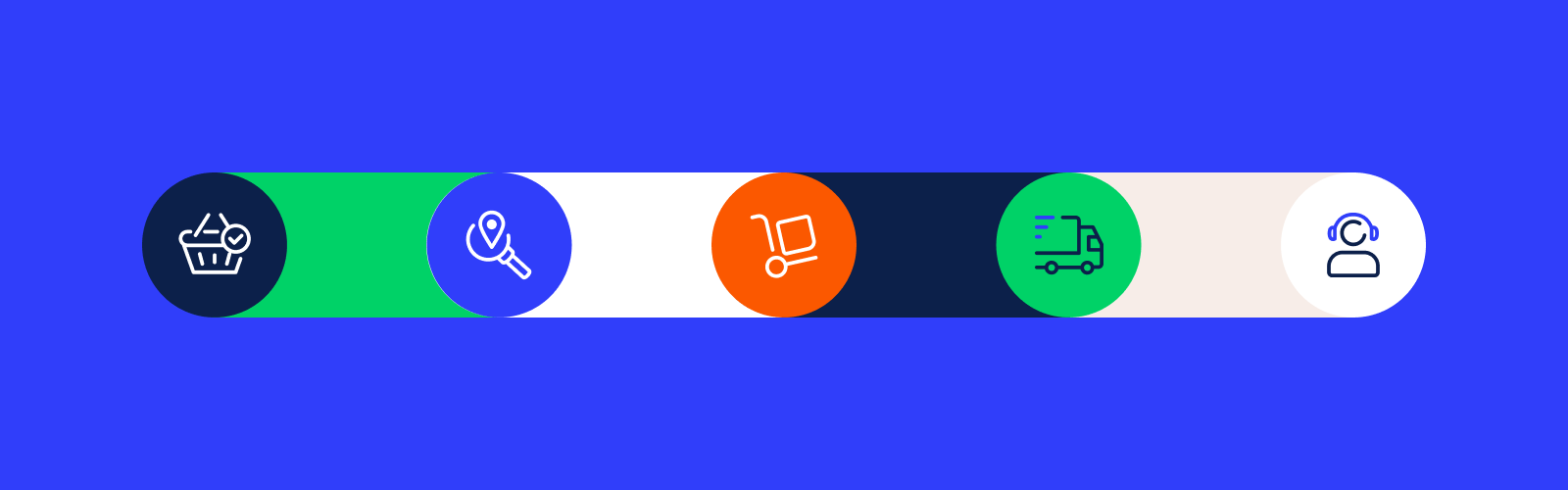
The key steps in last mile delivery are:
Last mile delivery key players are primarily associated with ecommerce such as retail, but it’s also essential for industries like food delivery, grocery services, and healthcare logistics. But no matter the industry, the goal is that the product reaches the customer quickly and efficiently, providing a seamless experience from order to delivery.
The “last mile problem” is the challenge businesses face in making this final stage of delivery both efficient and cost-effective. Last mile delivery requires an individualised approach—every delivery destination is unique, making it difficult to optimise routes or predict delivery times with accuracy.
Consumers now expect faster delivery times, often the same day or within a few hours, adding immense pressure on logistics companies. This demand for speed, combined with the complexity of residential delivery areas, means that last mile logistics often result in higher costs, longer delivery times, and a greater potential for delays or failed deliveries.
Along with customer expectations, retailers and carriers also need to consider fuel costs, last-minute route changes, and failed deliveries. So the “last mile problem” is more like an ever-evolving list of challenges that fleet managers have to solve.
Last mile delivery is a critical part of the delivery experience, but there are 6 main challenges that are limiting retailers:
Delivering to individual addresses, particularly in densely populated urban areas, can be inefficient if routes aren’t optimised properly. If you’ve ever driven through a big city, you know just how difficult it can be to get from point A to point B during rush hour! Traffic congestion and unpredictable variables like roadworks or accidents further complicate the process.
Missed deliveries due to customers not being at home are common, leading to repeated delivery attempts or the need to reroute packages to collection points, both of which add to operational costs. Every delivery attempt hurts your bottom line.
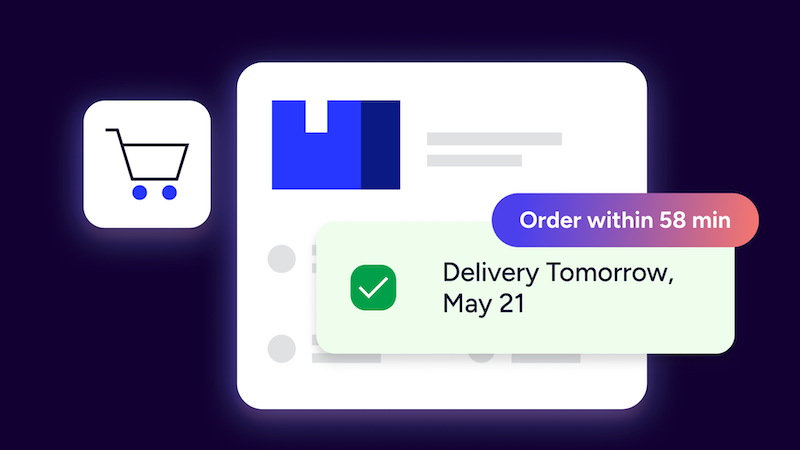
In the age of next-day and same-day deliveries, customers expect their packages to arrive faster than ever. In fact, 90% of ecommerce businesses report that customers expect faster delivery and more tailored experiences. Meeting these expectations while maintaining efficiency is a constant challenge.
With the increase in delivery volumes, especially in cities, the environmental impact of last mile deliveries is becoming a growing concern. Finding eco-friendly delivery solutions is a priority for many companies but it can also introduce additional costs and logistical hurdles.
The UK is facing a shortage of roughly 45,000 delivery drivers, so it’s not surprising that parcels aren’t getting delivered on time or have increased delivery windows! Combined with shorter delivery times, current drivers are being overworked and often can’t hit every delivery stop on time.
Couches, dining room tables, pianos—anything can be ordered online. But bulky or heavy items can pose a significant challenge for last mile delivery logistics. To carefully handle these items, multiple delivery persons are often needed to ensure the items get delivered safely.
In the UK, last mile delivery costs the retailer £3 to £10 for standard delivery. If the delivery is within rural areas and highlands, the costs are even higher. So why is last mile delivery so expensive?
The complexity of last mile delivery is one of the primary reasons it’s so costly. With each delivery requiring individualised attention—whether it’s navigating different addresses or handling missed deliveries—the operational costs quickly add up. Additionally, factors such as labour costs, vehicle maintenance, and fuel consumption all contribute to making last mile delivery a financial burden for many businesses.
The high demand for faster delivery speeds has forced companies to employ larger fleets of vehicles and more drivers, further driving up expenses. Retailers are left with the challenge of balancing speed, efficiency, and cost, all while ensuring customer satisfaction.
Despite its challenges, businesses that manage to master last mile delivery stand to gain a significant competitive advantage. Some of the key benefits of an effective strategy include:
In 2025, last mile delivery will continue to evolve and improve with the help of cutting-edge technologies and innovative strategies. To stay competitive, retailers will need to adopt new approaches that focus on speed, efficiency, and sustainability. Here are 5 ways retailers and carriers can improve last mile delivery:
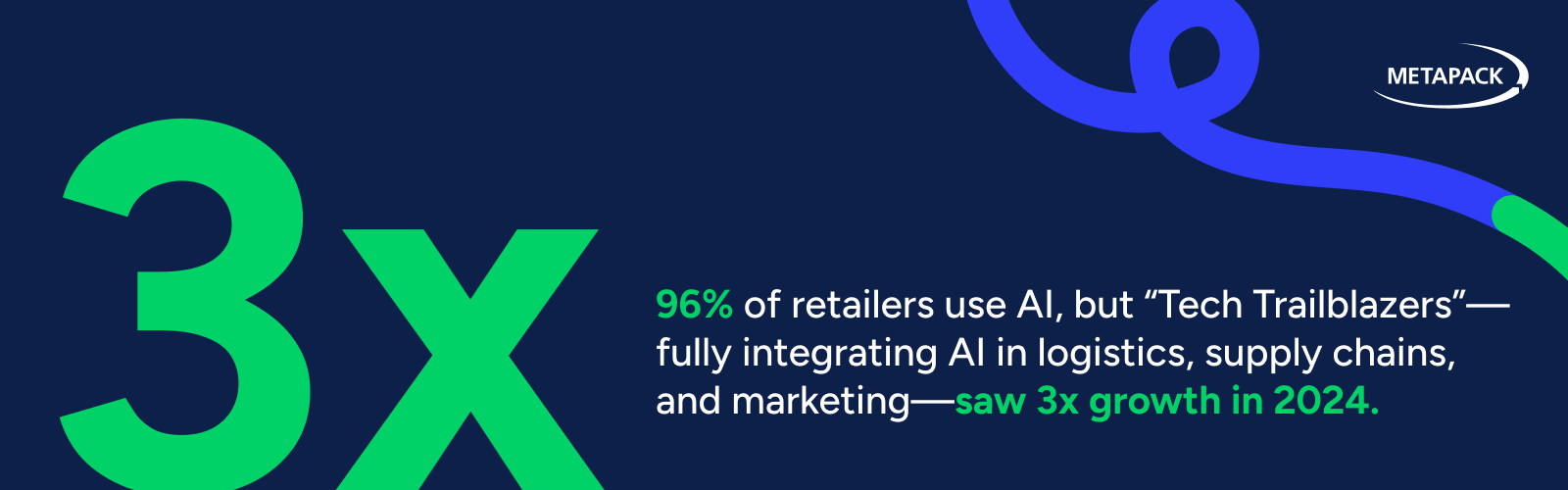
In Metapack’s 2025 Benchmark report, we found that 96% of retailers use AI, but “Tech Trailblazers”—retailers fully integrating AI in logistics, supply chains, and marketing—saw 3x growth in 2024. So it’s no surprise that AI will play a crucial role in anticipating delivery times and customer availability.
AI can analyse data on traffic patterns, weather conditions, and customer preferences and help businesses optimise routes in real time, improving efficiency and reducing delivery times.
The widespread use of autonomous vehicles, including delivery robots and drones, will revolutionise last mile delivery in 2025. These technologies will reduce the need for human drivers and enable businesses to operate 24/7, speeding up deliveries and lowering costs. With the increasing shortage of delivery drivers, autonomous delivery vehicles will be critical for ecommerce brands.
Customers want to have greater control over their delivery experience. To allow them that, retailers offer highly personalised delivery windows, allowing customers to select precise times for receiving their packages.
However, straight from the warehouse to the customer’s steps isn’t the only option for delivery. Metapack research found that about 34% of consumers would happily switch to parcel lockers or click-and-collect services for their online orders. Retailers can offer out-of-home delivery options so customers can choose a convenient pick-up location to collect their parcels.
By personalising the delivery process and expanding delivery options, retailers can reduce the number of missed deliveries and enhance customer satisfaction.
Environmental concerns grow among consumers, so businesses that prioritise eco-friendly delivery solutions are likely to yield positive results. This includes carbon-neutral options, such as electric fleets and alternative packaging materials, to reduce their carbon footprint while meeting consumer demand for sustainability.
The last mile problem is only going to intensify as ecommerce continues to evolve. By partnering with Metapack, businesses have access to the tools they need to streamline last mile delivery. From optimising routes to providing customers with real-time delivery tracking, Metapack’s solutions help ecommerce brands overcome the last mile problem and deliver a superior customer experience.
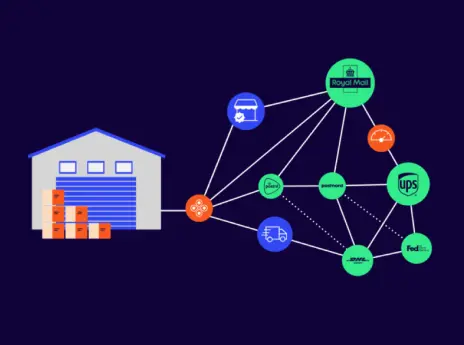
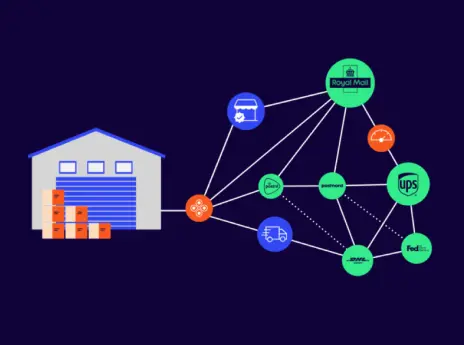
With Metapack, businesses can access a global network of over 350 carriers, offer flexible delivery options like Ship From Store, and ensure seamless communication with customers throughout the delivery journey.
For more information on how Metapack can help improve your last mile delivery, visit Metapack’s last mile delivery solutions or request a demo with our team.