

























 Operational efficiency


Consumers want faster, more flexible delivery with greater control. Whether it’s same-day delivery or scheduled time slots, delivery customer expectations are high, and businesses need to adapt.
But meeting these demands isn’t easy. Many retailers struggle to bridge the gap between what shoppers expect and what they can realistically deliver. According to the 2025 Ecommerce Delivery Benchmark Report, 90% of businesses report that customers now expect faster delivery and more tailored experiences. Cost and speed of delivery remain the top factors influencing where shoppers choose to buy.
To stay competitive, optimising your delivery experience is essential.
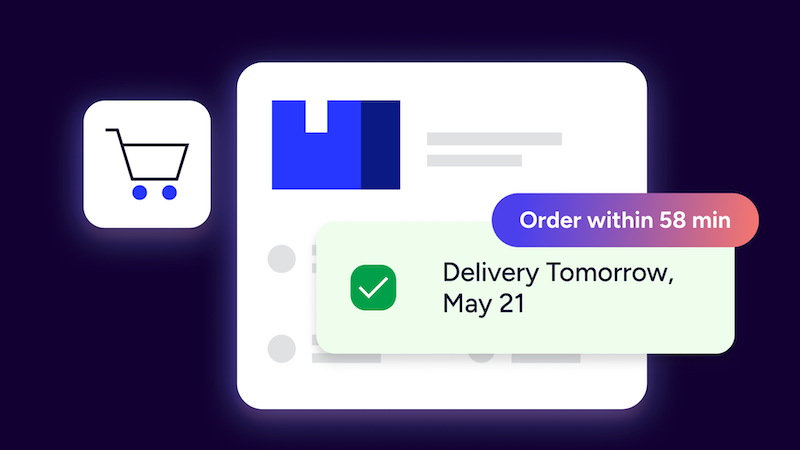
Same-day and next-day options have shifted how people shop—57% of consumers now expect their orders to arrive within two days.
Speed and reliability are now just as important as product selection and price. With shoppers prioritising retailers that offer rapid delivery options, you may lose customers to a competitor if your shipping speeds don’t meet their needs.
But today’s shoppers want more than just speed. Transparent communication and convenient delivery options are essential to meet busy consumer schedules. Basic expectations now extend to:
Shoppers are willing to pay for it, too. Over 55% of shoppers are now willing to pay extra for faster delivery options like same-day, next-day, or scheduled time slots.
There’s a growing demand for control over when and how customers receive orders. Premium delivery options provide a high level of consumer control, offering options like:
Offering premium shipping can differentiate you from competitors, which drives loyalty and repeat purchases. A massive 72% of frequent online shoppers are happy to pay for premium shipping options in 2025. Amazon sets itself apart with options such as same- and next-day shipping. This drives high levels of customer satisfaction, boosts conversions, and helps minimise cart abandonment rates.
With increasingly busy schedules and lifestyles, the more flexible your shipping options, the better your chances of meeting delivery expectations and growing customer loyalty. To meet customers on their own terms, more retailers are now offering flexible options like:
Pickup points and locker deliveries are also becoming a popular way to offer additional flexibility. When it’s tricky to schedule a convenient time at home, some customers prefer the autonomy of click-and-collect options.
Pickup delivery options can include:
To keep up, logistics companies are integrating AI, automation, and real-time tracking to optimise last-mile delivery. Smart routing ensures packages arrive faster, while AI-powered tracking keeps customers informed every step of the way.
The days of vague “Your order has shipped” emails are over. Customers expect real-time updates at every stage of the delivery process. If they don’t get them, they’re more likely to contact customer service — or worse, lose trust in your brand. Shoppers now expect:
Keeping customers informed in these ways reduces frustration and lowers “Where Is My Order?” (WISMO) inquiries, saving you time and resources. Proactive customer service, such as notifying a customer before delays happen, can turn a potential issue into a positive experience.
But don’t worry, these initiatives don’t have to take up your precious time. Using AI-powered logistics tools, businesses can automate many of these processes, like predicting delays and optimising routes. By integrating AI into your fulfilment process, you can ensure more accurate deliveries and reduce the risk of late or failed deliveries.
Whether you’re shipping to urban high-rises or remote rural areas, last-mile inefficiencies can cause delays, costing you money and customer satisfaction. Let’s explore the complexities in urban and rural delivery:
To solve the last-mile problem, 49% of retailers are now using AI-powered technology to simplify and automate delivery and last-mile logistics. Other last-mile solutions include:
Investing in these innovations can help you reduce costs, improve delivery success rates, and cater to diverse delivery preferences.
The next wave of logistics innovation isn’t just about speed but sustainability and transparency as well. To stay ahead, moving with new shifts in global needs will be important. Globally, more shoppers are becoming eco-conscious and looking for brands that match these values. Businesses can offer carbon-neutral shipping that includes electric delivery fleets or out-of-home pickup options to meet these expectations. Sustainable logistics will become a major differentiator in ecommerce.
AI will also continue to be a contributor in meeting global sustainability goals by:
Offering flexible shipping like same-day, next-day, or scheduled delivery options, paired with a consistent delivery experience, will earn long-term loyalty.
Delivery isn’t just about getting packages from point A to point B—it’s about the customer experience. Speed, flexibility, and innovation will set you apart in a competitive market. And the brands that succeed will prioritise meeting values and standards set by consumers.
Download the Metapack Ecommerce Delivery Benchmark 2025 Report to deep dive into everything ecommerce in 2025.