

























 Customer experience


Returns are often seen as the black hole of ecommerce, but in reality, they can be a secret weapon to increase competitive advantage and retain customers. Let’s take a closer look at the benefits of a robust ecommerce returns strategy and 5 ways ecommerce retailers can create a best-in-class ecommerce returns strategy this year.
An intentional and well-thought-out returns strategy is crucial for ecommerce brands in 2025. As online shopping continues to increase in popularity, so do customer expectations around convenience and flexibility, particularly when it comes to returns. A proactive approach to returns can help brands stay competitive, improve operational efficiency, and foster long-term customer loyalty.
Not convinced yet? There are 3 key reasons why an intentional returns strategy is essential for ecommerce brands:
A hassle-free returns process can be a deciding factor in whether a customer continues to shop with a brand. Buying online can be risky—the sizing or colour can be drastically different online than in person—and it can be frustrating for consumers to take that risk with no reward. In 2025, with increasing competition among ecommerce retailers, retaining consumers through a streamlined returns strategy will be more cost-effective than acquiring new ones.
A clear and fair returns policy also communicates trust and transparency to customers. When consumers feel confident that they can easily return or exchange products, they are more likely to make purchases without hesitation.
It’s no surprise that returns can be costly, especially if not managed properly. For example, in 2023, 13.7% of retail returns were found to be fraudulent, resulting in the UK retail industry losing over £11.3bn to fraud. To help prevent ecommerce return fraud, retailers may consider only refunding to the original payment method or store credit.
An intentional strategy helps retailers mitigate return-related costs by utilising data to predict trends, manage inventory, and prevent fraudulent returns.
Get to the bottom of why consumers are returning products. Does the product photography not accurately reflect the item? Do you need to add more information to the sizing chart or description so consumers can make a more informed decision about their purchase?
By analysing return patterns, customer feedback, and product issues, retailers can make informed adjustments to their product offerings, inventory management, and customer service processes.
Let’s take a look at 5 ways ecommerce retailers can create a best-in-class ecommerce returns strategy this year.
Retailers must focus on creating a fully digital, user-friendly returns experience, where customers can easily initiate returns through the retailer’s own platform rather than being redirected to carrier websites. A fully integrated process not only saves time for customers, but also provides retailers with more control over the returns experience.
An online returns portal can:
In a recent webinar, Angus Knights, Head of Product Success at parcel lab, spoke to the need for a digitised returns process:
“There are some quick wins retailers can easily implement. In a parcelLab’s shipping study, we found hardly any direct logins to the returns process. So there was so much double keying, entering your order number, your email, your zip code, and that becomes a bit wearing, certainly after you’ve done.”
Watch the full webinar here to learn more about what’s in store for ecommerce returns in 2025.
By removing unnecessary steps and offering a straightforward returns process, retailers can reduce customer friction and boost satisfaction.
The future of returns revolves around convenience. Metapack’s Benchmark Report found that over 40% of shoppers say they would take their business elsewhere if returning a product is too difficult.
Brands should view the returns process through the lens of their customers, ensuring they offer options that meet their customers’ needs. Whether it’s drop-off locations, pre-paid return shipping labels, in-store returns, or collection points, offering multiple return methods allows customers to choose what works best for them.
Free returns are quickly becoming another ‘non-negotiable’ in the world of ecommerce returns. ParcelLab research shows that out of 100 top retailers, nearly 30% don’t offer free returns, potentially deterring customers who value flexible return policies.
In 2025, a one-size-fits-all approach to returns will be replaced by more personalized strategies. Retailers will begin to segment customers and tailor their returns policies based on factors like customer lifetime value, return behaviour, and profitability. This data-driven approach allows for more generous policies for high-value customers while still managing costs effectively.
For example, loyal customers or those with larger purchase histories may receive extended return windows or free return shipping, while lower-value customers may have more standard return policies. Personalisation will make returns more customer-centric and help retailers optimise their profitability.
Communication is the foundation of the post-purchase experience. Throughout the purchase and return experience, your brand’s return policy should be visible and easily understood. During the return process, consumers will expect real-time updates on the status of their return, including when the return is processed, when the refund is issued, and when any exchanges or replacements are shipped.

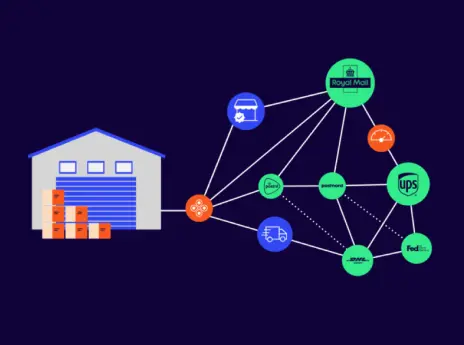
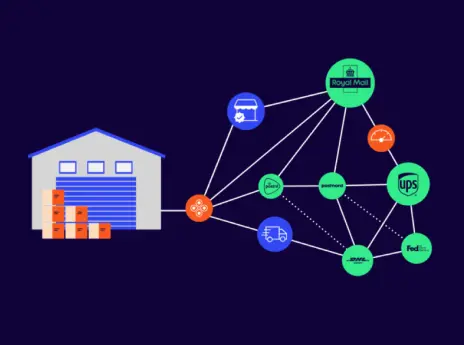
By integrating returns management into a unified commerce platform, retailers can streamline the returns process and unlock valuable insights. This approach allows ecommerce brands to track returns, manage inventory more efficiently, and gather data to optimize the process.
Unified systems that manage returns in conjunction with fulfillment, customer service, and inventory will help ecommerce brands stay agile, offering a more holistic and seamless approach to returns.
In 2025, the best-in-class returns experience will prioritise convenience, personalisation, and technology integration. Retailers that succeed will offer a seamless, frictionless, and customer-friendly returns process that meets the unique needs of their business and customers.
Get started with Metapack Returns on Demand API. This software enables ecommerce retailers to provide a seamless, self-service returns experience while reducing shipping costs by 57%, increasing customer retention, decreasing customer service contact by 40%, and improving conversions. Schedule a demo with our team to learn more.