




















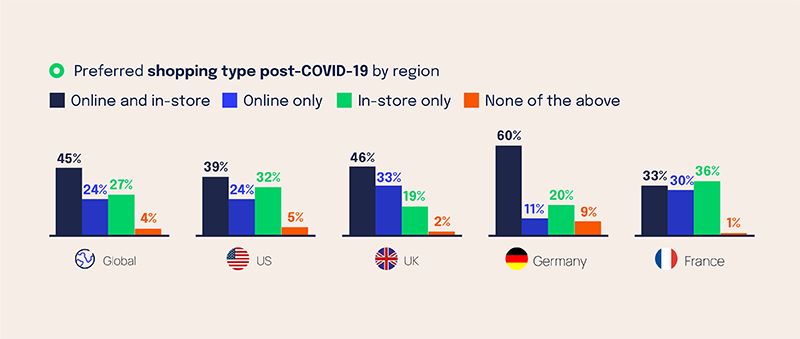
Much of the pandemic-fueled ecommerce growth is here to stay. According to our research, 86% will continue shopping more online long after COVID-19.
By James Waite
Last Updated Jan 12, 2026 – 3 min read
Unify data, insight, and automation across checkout, fulfilment, and post-purchase—so delivery decisions are smarter, faster, and always improving.
Explore Intelligence
Unify data, insight, and automation across checkout, fulfilment, and post-purchase—so delivery decisions are smarter, faster, and always improving.
Explore Intelligence
Unify data, insight, and automation across checkout, fulfilment, and post-purchase—so delivery decisions are smarter, faster, and always improving.
Explore Intelligence
Unify data, insight, and automation across checkout, fulfilment, and post-purchase—so delivery decisions are smarter, faster, and always improving.
Explore Intelligence
If the past few years have taught us anything, it’s that shipping challenges are inevitable and often feel endless. From peak season volume surges and carrier capacity crunches to geopolitical issues and rate volatility, shipping failures and disruptions are, unfortunately, consistent features of the delivery process.
Read the Blog
If the past few years have taught us anything, it’s that shipping challenges are inevitable and often feel endless. From peak season volume surges and carrier capacity crunches to geopolitical issues and rate volatility, shipping failures and disruptions are, unfortunately, consistent features of the delivery process.
Read the Blog
With a broad portfolio of personal care, beauty, and wellness products, the Nu Skin website showcases a wide range of science-backed solutions available to customers worldwide.
Read the Customer Story
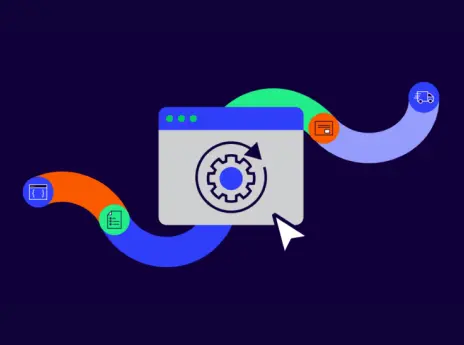
The companies that will thrive in 2026 have one thing in common: they're automating the time-drains holding others back. Business automation uses technology to handle repetitive tasks automatically—without human intervention—so your team can focus on higher-value work.
Read the Blog
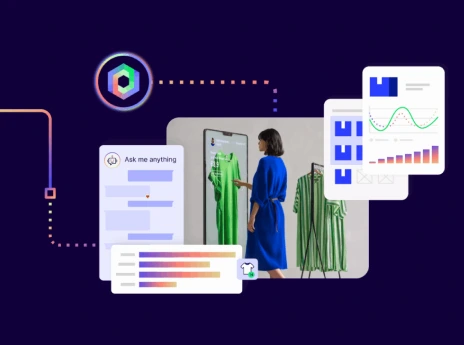
Ecommerce has reached a decisive turning point. For years, the industry focused on optimizing for human behaviour—better websites, faster checkout flows, smarter pricing, and more flexible delivery options. In 2026, ecommerce is entering a new phase where retailers are no longer competing only for human attention.
Get the Report
Ecommerce has reached a decisive turning point. For years, the industry focused on optimizing for human behaviour—better websites, faster checkout flows, smarter pricing, and more flexible delivery options. In 2026, ecommerce is entering a new phase where retailers are no longer competing only for human attention.
Get the ReportMuch of the pandemic-fueled ecommerce growth is here to stay. According to our research, 86% will continue shopping more online long after COVID-19.
Much of the pandemic-fueled ecommerce growth is here to stay. According to our research, 86% will continue shopping more online long after COVID-19. The pressure is on for physical stores to earn their keep within omnichannel retail.
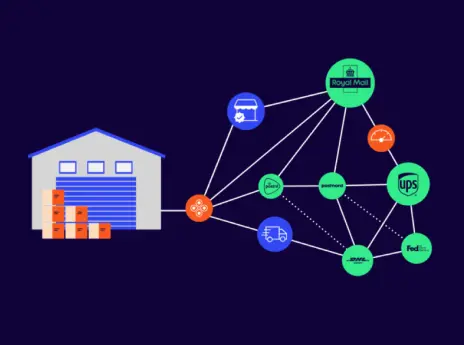
Many top retailers are responding by transforming their physical stores into micro-fulfillment centers through tactics like Ship From Store (SFS Retail) and Click & Collect. These are some of the tactics they’re employing.
Transform stores into micro-fulfillment centers with SFS Retail
UBS estimates just 10% of online orders are fulfilled by stores, but it predicts this share will double in the next five years. This method, also known as Ship From Store (SFS Retail), is a clever way of leveraging store stock and maximizing the value of physical store estate. What’s more, it also often results in a much shorter (and cheaper) delivery route.
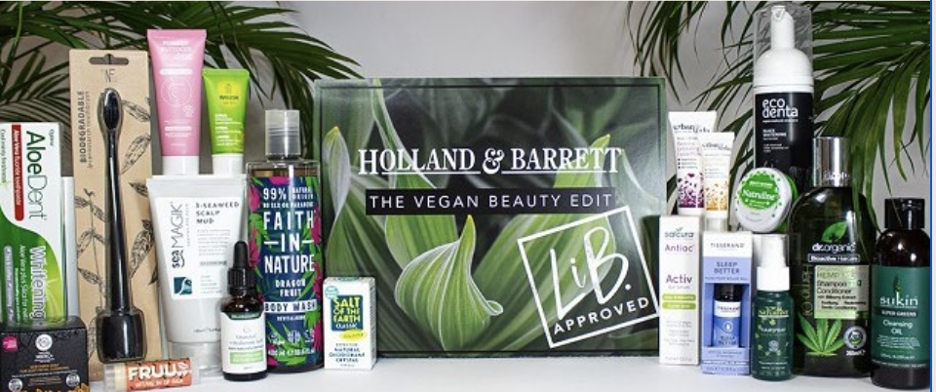
Holland & Barrett, a health and wellness retailer with both a physical and online presence, added the capability to fulfill online orders from stores during the pandemic to meet the surge in online demand. Working with Metapack, the solution took less than two weeks to implement and is now integrated into 75 stores. It has added considerable flexibility to the network since stores can be activated and deactivated according to necessity.
Diversify your delivery proposition
When stores become mini warehouses, stock availability also increases. Whereas out-of-town warehouses can struggle to turn around a one-hour request, urban-based stores can deliver to numerous nearby locations. This allows retailers to offer delivery propositions such as express, or same-day, which they wouldn’t be able to otherwise. A wider range of delivery options means great choice for consumers – and a higher chance that one of them will suit your customer’s needs and lead them to convert.
Reduce cost-to-ship with Click & Collect
Providing in-store pickup for online orders is another great way to reduce delivery costs. Retailers using their own fleet to ship orders to store can save on additional third-party carrier feeds by bundling shipments. For example, Metapack customer New Look has reduced its cost-to-ship by consolidating its Click & Collect orders with its usual stock deliveries coming from the warehouse.
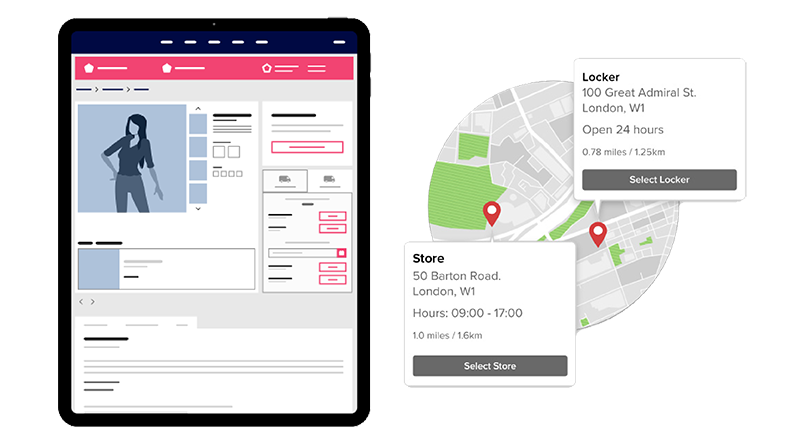
Stores need to pull their weight within omnichannel retail to justify their long-term existence. This means leveraging their store real estate for more efficient and cost-effective online fulfillment.
Find out more about how top retailers are adapting to shopping in the new normal, check out our Playbook: Future of the store.