
























 Customer experience



As COVID-19 lockdowns gradually start to ease, the question on everyone’s lips is: will customers go back to stores?
Consumers will always want to shop in-store. And yet, a large portion of ecommerce growth is expected to stay. According to our own research, 86% will continue shopping more online after COVID-19. And 42% plan to make fewer trips to stores.
However, our research also shows that 45% of consumers plan to flex between online and physical shopping. There’s a role for physical retail in the new normal, but it will be firmly implanted within omnichannel. These are some strategies to drive demand in-store in the next normal.
Drive footfall with Click & Collect
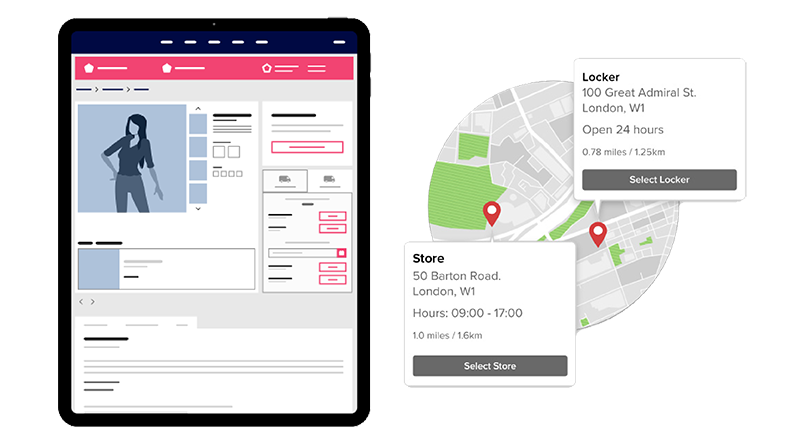
Offering in-store pickup as one of the Delivery Options on your ecommerce store is a great way of driving traffic to physical outlets. Our research shows that 52% of global consumers have made an additional purchase when collecting an order in-store. Promote Click & Collect as a delivery option at checkout, being sure to emphasize what is usually a quicker fulfillment timeframe.
After setting up Click & Collect as an option at checkout using Metapack Delivery Options, New Look says it has increased its own store traffic. Indeed, 31% of its online customers now opt for the method.
Promote in-store pickup as a green option
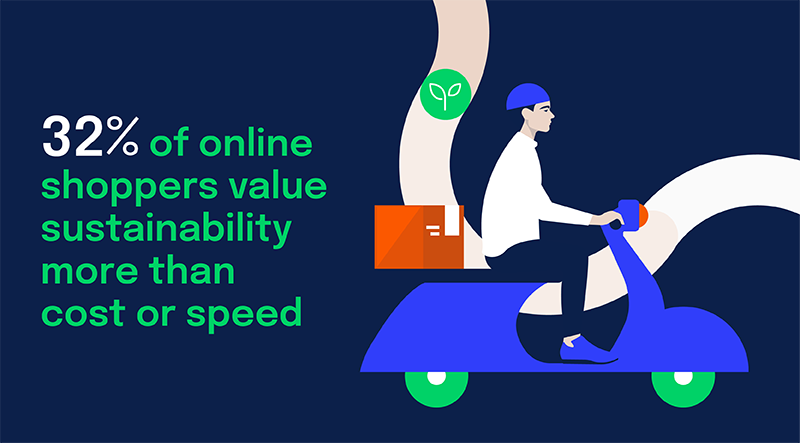
In-store pickup reduces the environmental impact of the final mile of online shopping – a topic that’s front-of-mind for many consumers. In fact, 32% say sustainability is the most important factor when selecting Delivery Options – even more important than cost and speed. In-store pickup reduces the CO2 emissions of the final mile, so promoting it as a sustainable delivery option can also help to convert these environmentally conscious customers.
Optimize your omnichannel experience
Retailers must ensure a smooth shopping experience as online and offline channels converge. And the stakes are high: Nearly one-third say they’ve had a negative experience using in-store pickup. It’s the sort of disconnect that can quickly erode customer loyalty.
Ecommerce customers expect the ability to track their order. Those who select in-store pickup are no exception, so be sure to offer these customers the capability as well. 24% of consumers who had a bad experience with Click & Collect say it was because they didn’t have tracking for their order.
Metapack is one of the few delivery management software providers to offer tracking for Click & Collect, as part of the Delivery Tracker solution. Retailers can quickly launch their own branded tracking page where customers can follow the progress of their order, even if they select in-store pickup.
The existential crisis for bricks and mortar stores is nothing new, but it’s now more urgent than ever that retailers find a solution. The transformation of physical retail can be delayed no longer – retailers must find a way for their store footprint to support and complement their online presence.
Find out more about how top retailers are adapting to shopping in the new normal – check out our Playbook: Future of the store.