





























 Cross-border


Customers today don’t think in terms of borders. They browse globally, compare prices internationally, and expect delivery experiences that feel familiar, no matter where a product ships from. For retailers, that shift changes everything. Growth is no longer just about entering new markets. It’s about delivering a consistent, localised experience at a global scale.
That single idea captures the challenge. And it also points to the solution.
To succeed, retailers need more than shipping capabilities. They need connected ecosystems—spanning technology, carriers, data, and partners—that can scale globally while operating locally.
This is where commerce without borders becomes real.
This article shares insights from expert-backed sessions on ecommerce delivery, AI, sustainability, logistics, and more at The Delivery Conference 2026. Watch all of the event sessions on-demand.
Expanding into new markets is no longer optional. It’s a core growth strategy. But scaling internationally introduces layers of complication that many retailers underestimate.
At a surface level, the barriers are familiar: shipping costs, customs, taxes, and delivery times. But the deeper challenge lies in coordination—aligning data, partners, and processes across multiple regions.
The reality is that global demand is already here. This creates pressure on every part of the delivery chain. Retailers must balance cost with speed, efficiency, and experience. And they must do it consistently across markets with different expectations.
The stakes are high. Poor delivery experiences don’t just affect one order—they impact long-term loyalty.
“71% of shoppers will not order again after a poor purchase experience,” said Conor Dunne, Worldwide Account Manager at FedEx, in the Delivering at Scale session. “That very often comes down to the delivery experience.”
That experience often breaks down at the point where global complexity meets local expectations.
For example, duties and taxes remain one of the biggest friction points in cross-border commerce. When not handled properly, they create confusion and distrust at the final step of the journey.
“Surprise changes at the door damage trust fast. So, asking customers to pay duties and taxes on delivery, often with inflated admin fees, leads to refused parcels, more WISMOs, lower repeat purchases, and ultimately a higher cost to serve for retailers,” said Beth Chapman, Managing Director at Starlinks, in the Commerce Without Borders session.
“71% of shoppers will not order again after a poor purchase experience.”
Conor Dunne, Worldwide Account Manager at FedEx
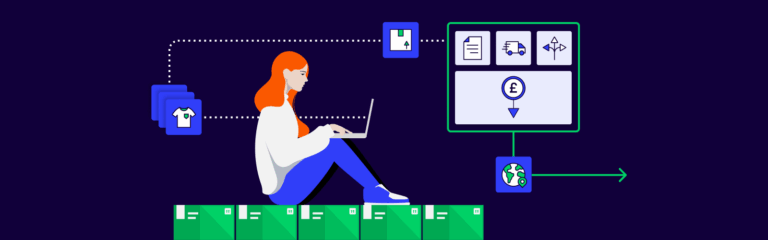
When retailers handle customs clearance, duties, taxes, and fees upfront, delivery is simple and familiar to customers.
“The experience feels much closer to buying from a local brand. When delivery feels straightforward, customers are more likely to complete checkout, come back, and trust the brand,” said Chapman.
This is the hidden cost of global expansion. It’s not just operational—it’s experiential.
But the cracks run deeper than experience alone. Data quality plays a critical role in whether global delivery succeeds or fails. Without clean, structured data, even the best logistics networks struggle to perform.
“Inconsistencies stand out very quickly. Accurate data, data compliance, understanding nuances and requirements by individual market, and knowing where the liability sits is critical,” said Chapman.
So the challenge is not just scale. It’s coordination. It’s consistency. It’s trust.
If complexity is the challenge, ecosystems are the answer.
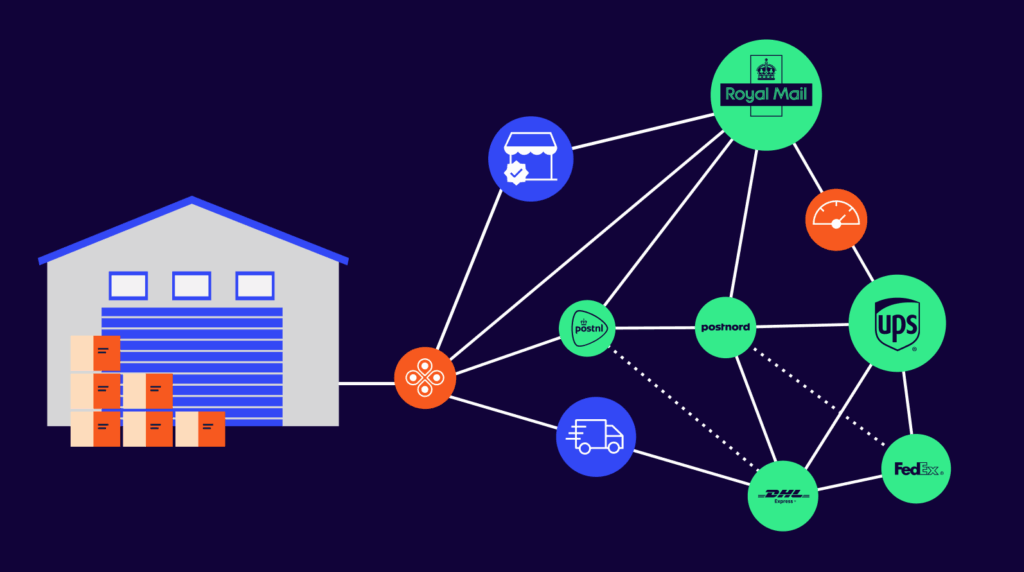
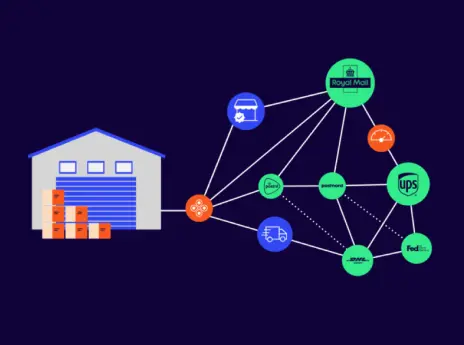
No single retailer, carrier, or platform can solve global delivery on its own. The future belongs to interconnected systems—where partners collaborate to deliver a unified experience.
This shift is already happening. Retailers are moving away from isolated tools and toward integrated ecosystems. Platforms connect with carriers. Data flows across systems. Decisions are shared across networks rather than made in silos.
Success can come down to a key decision.
“It’s really about sitting down and saying, what technology providers and partners am I going to work with?” said Cian Wright, Vice President of Market Development at Swap, in the Commerce Without Borders session. “All of the technology is there. Your decision is who you’ll hand the complexity over to, and if you trust their ability to do it.”
That idea is central to modern commerce. The tools exist. The infrastructure exists. What matters is how well they are connected—and who is responsible for orchestrating them.
This is where delivery platforms play a critical role. They act as the connective layer between retailers, carriers, and customer experiences. The “connective tissue” that turns fragmented operations into cohesive ecosystems.
Partnerships also reshape how retailers view costs.
“It’s really about sitting down and saying, what technology providers and partners am I going to work with?”
Cian Wright, Vice President of Market Development at Swap
Traditionally, delivery decisions were driven by price. But in a global context, that approach often backfires.
“Cheaper isn’t always better,” said Chapman. “Retailers should look further than just the delivery cost, and try to take into account the entire cost of that delivery, what happens when it fails, and what happens to the cost of customer care and the handling of undeliverables when they come back in.”
This is a subtle but important shift. Delivery is no longer a cost centre—it’s a strategic lever. The right partners don’t just reduce costs; they improve outcomes across the entire journey.
That includes:
And perhaps most importantly, building trust. Ecosystems that prioritise trust—through transparency, reliability, and consistency—create a foundation for long-term growth.
“When you’re generating incremental added value opportunities naturally over the space of your time together, that’s where you unlock real significant value together,” said Amy Allen, Head of Supply Chain at Selfridges Retail Ltd, in The Future of Partnerships session.
As delivery ecosystems evolve, intelligence becomes the next layer.
It’s no longer enough to connect systems. Retailers need to understand them, optimise them, and continuously improve them. This is where intelligent delivery comes in.
At its core, intelligent delivery combines three elements:
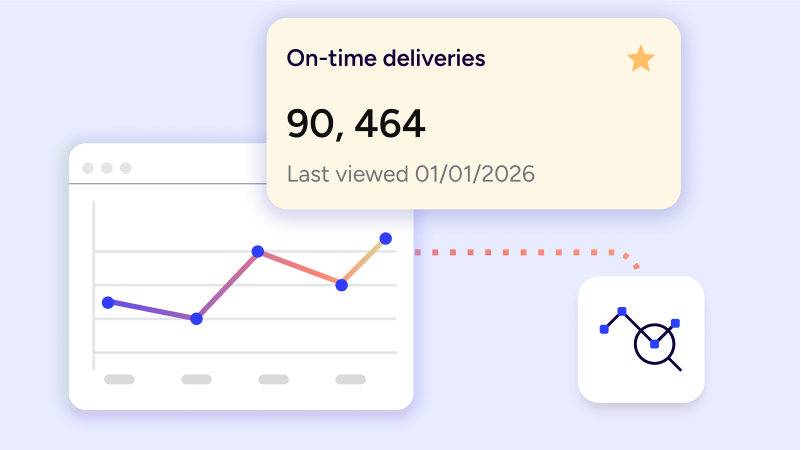
These foundations are what enable global scale. But the real shift comes from how that foundation is used. With the addition of AI and advanced analytics, delivery becomes proactive rather than reactive. Instead of responding to issues after they happen, retailers can anticipate them.
AI is changing how decisions are made. Predictive capabilities, for example, can identify parcels at risk of delay before it happens. That allows teams to intervene early, adjust carrier selection, or proactively communicate with customers. The result is a more resilient delivery network—and a better customer experience.
“For us, delivery intelligence is about using data and having visibility to spot issues early and act on them before customers feel the impact. It starts with prevention. In practical terms, it means identifying problems before parcels even move,” said Chapman. “There’s simply no value in moving parcels halfway around the world just for them to come back as undeliverable.”
At the same time, intelligent allocation is transforming how carriers are selected.
“For us, delivery intelligence is about using data and having visibility to spot issues early and act on them before customers feel the impact. It starts with prevention.”
Beth Chapman, Managing Director at Starlinks
Rather than static rules, decisions can now adapt in real time based on:
This creates a more dynamic and efficient system. And importantly, it keeps retailers in control. This balance—automation with control—is critical at enterprise scale. It allows retailers to benefit from intelligence without losing visibility or flexibility.
At a high level, the future of commerce without borders comes down to one idea: scale must feel local. Customers don’t see the complexity behind global delivery. They only see the outcome.
They expect:
And they expect it to feel the same, no matter where they are. This is why localisation remains essential. It’s not just about translating content or offering local payment methods. It’s about adapting the entire delivery experience to meet local expectations.
That includes:
When done well, the experience feels seamless. When done poorly, it breaks trust. And trust is everything.
The complexity of global commerce isn’t going away. If anything, it will increase.
Regulations will evolve. Customer expectations will rise. Delivery networks will become more interconnected. But within that complexity lies opportunity to gain a competition edge.
Retailers who invest in strong partnerships, integrated ecosystems, and intelligent delivery capabilities will be better positioned to scale.
They will move faster into new markets. They will adapt more easily to change. And they will deliver experiences that feel consistent, reliable, and local—every time.
Because in the end, commerce without borders isn’t just about reaching more customers. It’s about serving them better—wherever they are. And that only happens when global scale is matched by local precision.
See how Metapack can your business can create seamless cross-border experiences that adapt to the future of global fulfilment.