



























 Customer experience


In ecommerce, conversion is often treated as a marketing problem. Brands invest in traffic, optimise product pages, and refine pricing strategies—all in pursuit of higher conversion rates.
But there is another factor with a direct, measurable impact on whether a customer completes their purchase: delivery. More specifically, delivery options.
Traditionally, delivery has been viewed as a cost to manage. The goal was efficiency—reduce shipping costs, optimise carrier contracts, and improve fulfilment operations.
That perspective is now outdated.
Today, delivery is a commercial lever. When done well, it directly increases conversion, customer satisfaction, and lifetime value.
Ecommerce conversion rates are typically low—often around 2–3%. Delivery is one of the most common causes.
The checkout experience is not just a transaction step. It is a decision point. A customer may browse for ten minutes, compare products, and add items to their cart—but the purchase only becomes real when they complete checkout.
Customers arrive at checkout with the intent to buy, but they still have unanswered questions. When will the order arrive? How much will it cost? Is there an option that fits their schedule?
This is where intent either turns into revenue—or disappears. And for many retailers, it’s where conversions are won or lost.
If customers’ questions go unanswered, conversion rates drop.
This is not theoretical. According to Metapack consumer research, it is reflected in real behaviour:
These numbers point to a simple truth: delivery is not a backend function. It is a core part of the buying decision.
Most retailers understand the importance of checkout and even the role of delivery. However, too many have focused only on providing fast, low-cost delivery and have overlooked the role of delivery flexibility specifically. As a result, the delivery experience suffers.
Customers today expect delivery options that reflect their preferences, not a one-size-fits-all solution. Some want speed. Others want low cost. Many prioritise convenience—especially options that fit around their daily routines and availability.
Rigid delivery models create missed conversion opportunities. When customers can’t receive their package the way they want to, they will go elsewhere.
This is why modern ecommerce strategies focus on offering a range of options, including:
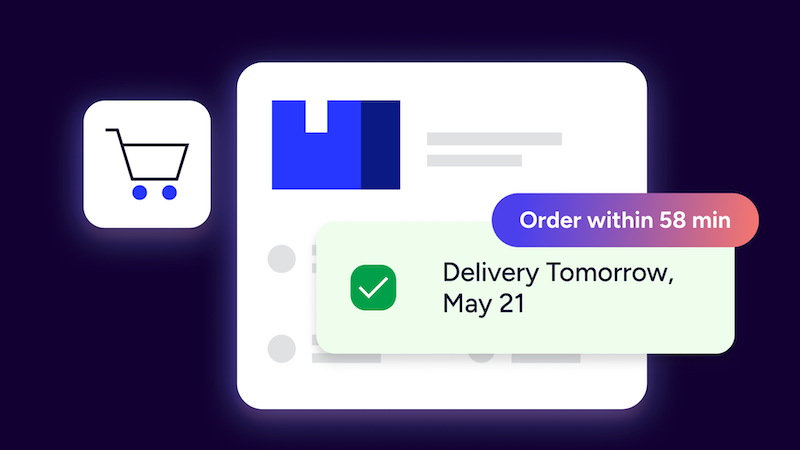
The delivery option should include clear, precise dates. When dates are vague or presented as broad ranges, they begin to question whether the order will arrive in time or meet their needs. That doubt leads to uncertainty.
The challenge for retailers is to remove that uncertainty and give customers the confidence to buy.
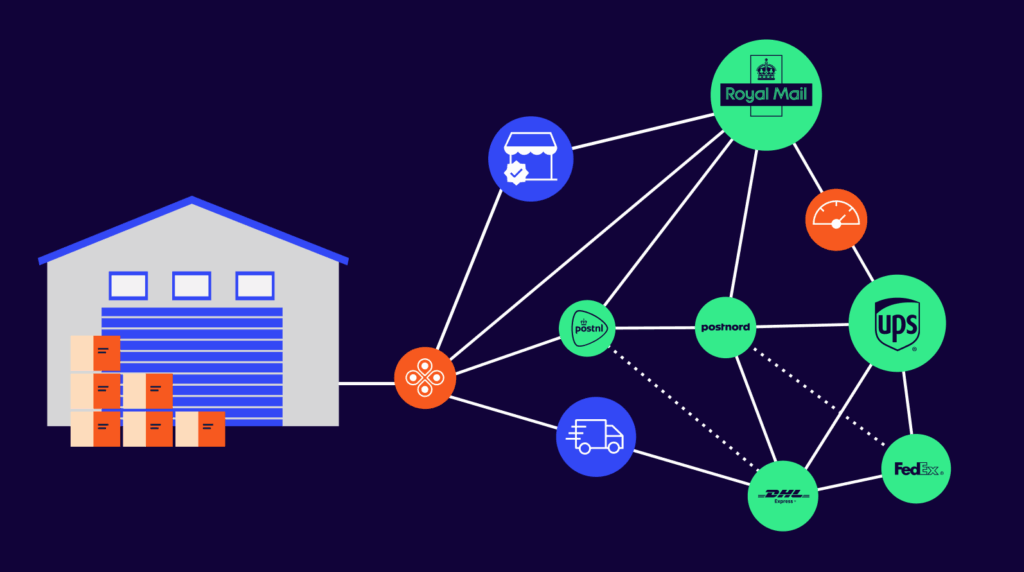
Metapack helps retailers solve this with technology that ensures the delivery options and times presented at checkout are reliable and specific. The system presents the best options based on the retailer’s strategy, carriers, services, and ship-from locations.
Accurate delivery promises—calculated from real-time data such as inventory, carrier capacity, and warehouse operations—let retailers show customers exactly when their order will arrive.
Instead of showing static delivery choices, the platform helps customers find the option that works best for them—fast delivery, lower cost, or a convenient pickup location. That sense of control makes the decision easier.
It is a simple shift, but a powerful one. Moving from estimated ranges to exact dates creates a more transparent and dependable buying experience.
For businesses, it solves another operational challenge: overpromising on delivery.
Validating delivery commitments against real operational constraints reduces post-purchase frustration. Customers are less likely to experience delays, missed delivery windows, unexpected changes to their delivery date, or other situations where expectations set at checkout are not met. The result is fewer complaints, refunds, and reshipments.
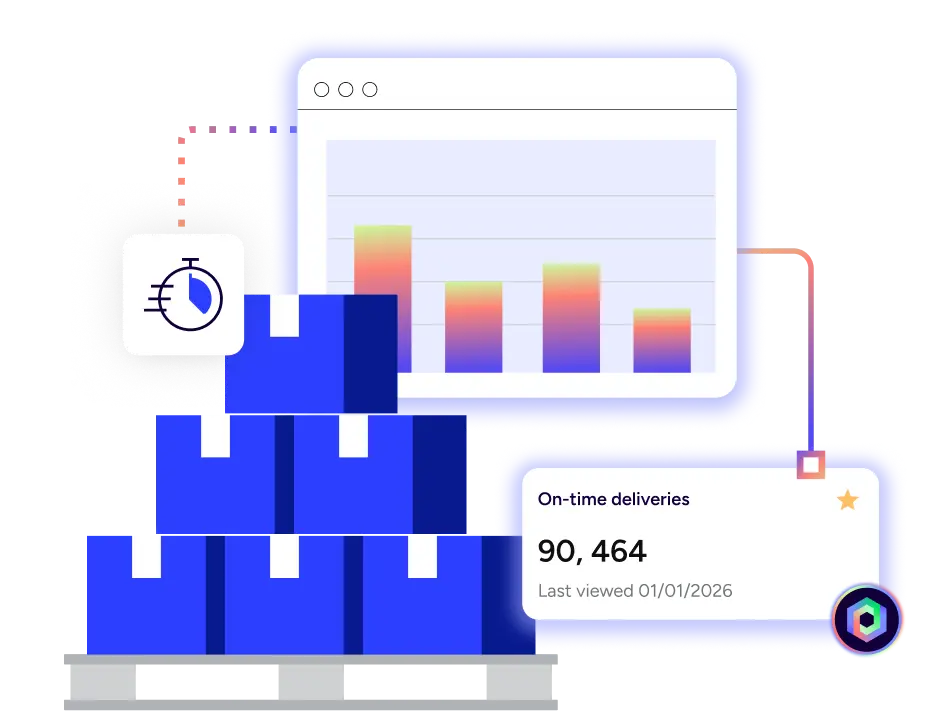
The system also optimises cost and carrier selection. By analysing delivery data and carrier performance, the platform can prioritise the most efficient carrier or service for each order while still meeting the promised delivery date. This helps businesses balance speed, cost, and reliability.
Checkout sits at the intersection of customer expectations and operational reality. Giving customers clear, reliable delivery options through Intelligent Checkout aligns those two things. Customers get choices that are accurate and achievable, while businesses gain higher conversion rates, lower operational risk, and strengthen the overall shopping journey.
Using data-driven delivery promises makes a meaningful difference at the most critical moment of the purchase journey and helps turn more carts into completed orders.
Schedule a demo to see how Metapack can help you give customers a positive checkout experience with intelligent delivery options that drive conversions.